




Il tempo di morire
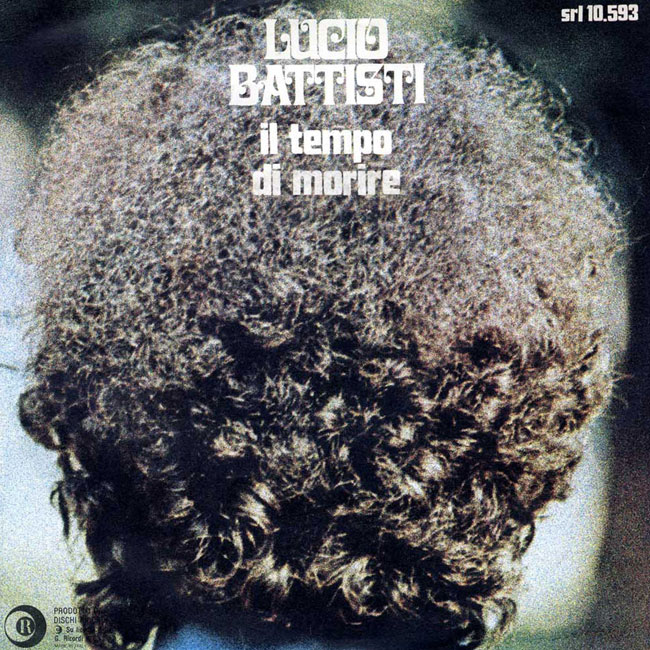
Sometimes I’ve been criticized for the way I write about women. For example, with Il tempo di morire, I was fiercely criticized by the feminist movement. The song’s lyrics are about a boy who somewhat naively falls in love with a committed woman, and yet to have her for just one night, he’s willing to give her his motorcycle, a gesture that must obviously be interpreted symbolically. I was mistakenly identified with the protagonist, and on several occasions was accused of legitimizing a sort of commodification of sentiment in the song. Actually, the protagonist in the lyrics wasn’t me, but a kid with not much culture, incredibly naive, and his gesture, the offer of his precious motorcycle, was a pure act of love. It was interpreted as a chauvinistic male’s gesture, while I’d just tried to describe a man with a village mentality, who lives for his motorcycle, without judging or sharing his logic. Paradoxically, the song’s lyrics also stand out for a macroscopic error, which I only noticed several years later: I wrote about a “10 HP motorcycle”, but later, when I actually bought a motorcycle, I realized that 10 HP is not even the horsepower of a motor scooter.
Excerpt from: Mogol, Il mio mestiere è vivere la vita, Milan, Rizzoli, 2016, pp. 140-141